From craft to code
The Durst Story
1929
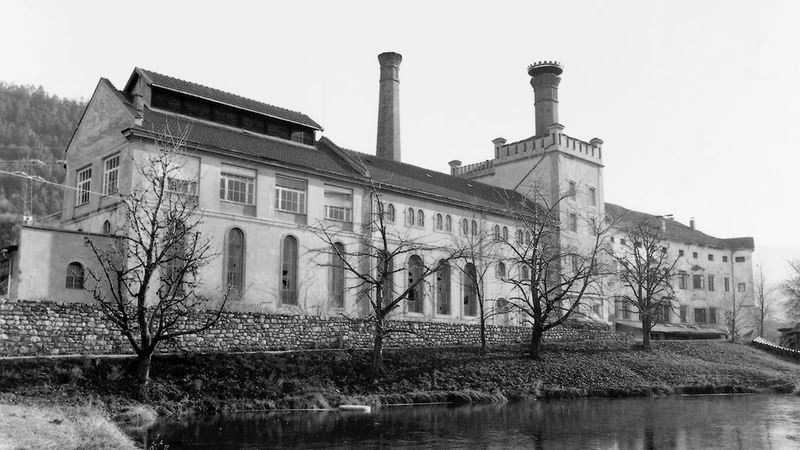
Brixen, South Tyrol
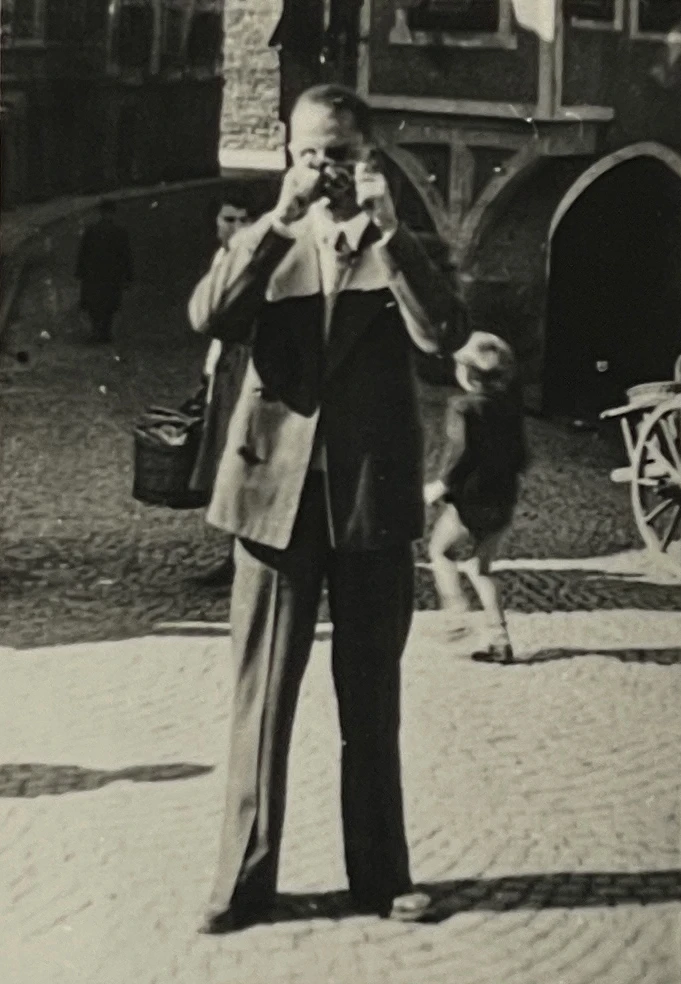
Two brothers, Julius Durst and Gilbert Durst, turn a family passion for photography into engineering reality.
From the start, Durst is built by owners who invent what they cannot buy: optics, mechanics, precision systems. Pivoting with precision.
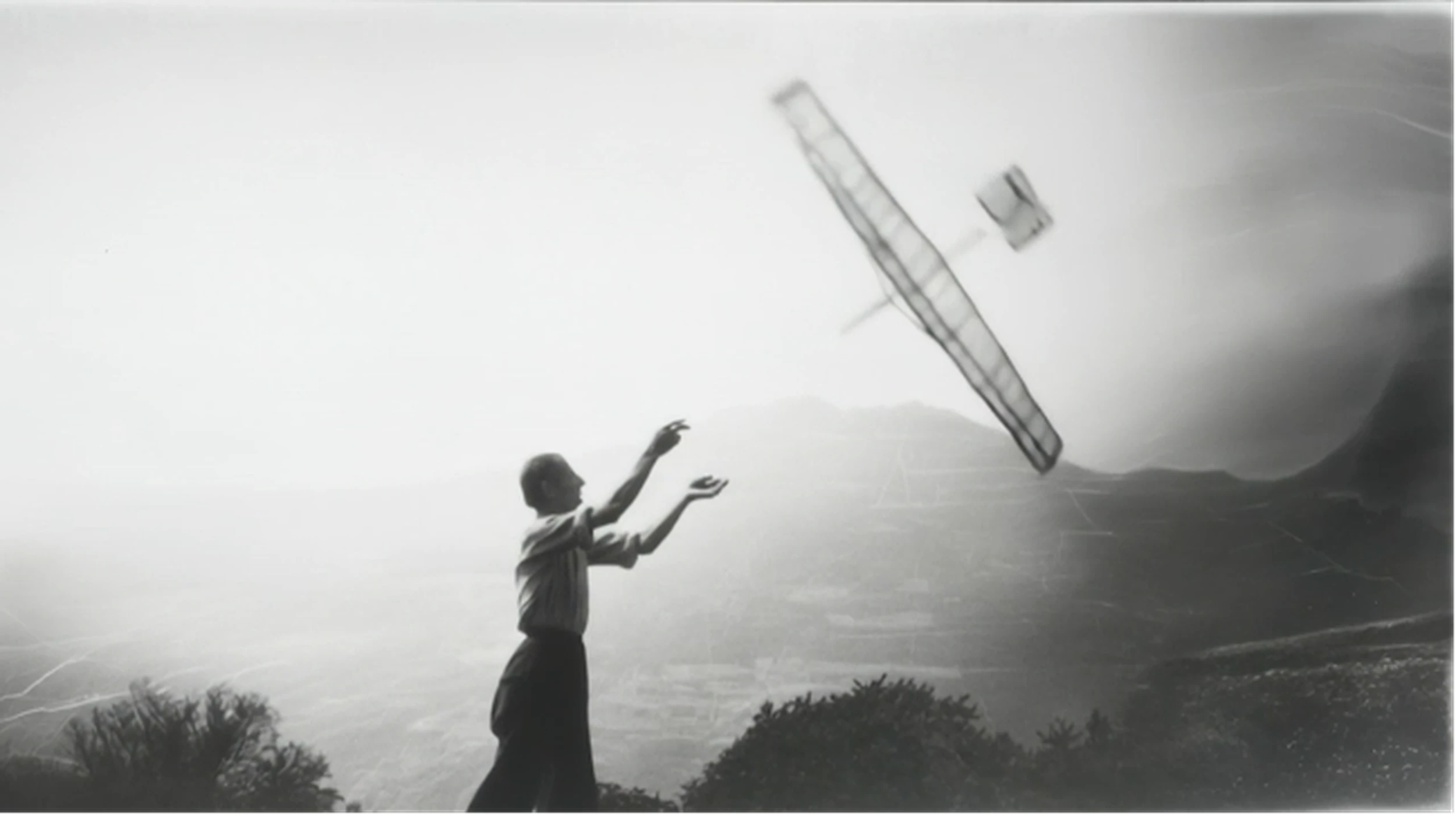
Fun fact: As teenagers, the Durst brothers built gliders, radios, and go-karts long before they built cameras.
Industrial
DNA
With the Oberrauch family joining in the 1930s, Durst scales from workshop to industrial manufacturer.
Patents, serial production, and global distribution follow.
Durst defines professional enlarging through precision mechanics, color control, and early
automation.
Design and engineering are never separated. That becomes a constant.
From Analog
TO DIGITAL
In the 1990s, Durst breaks with pure optics.
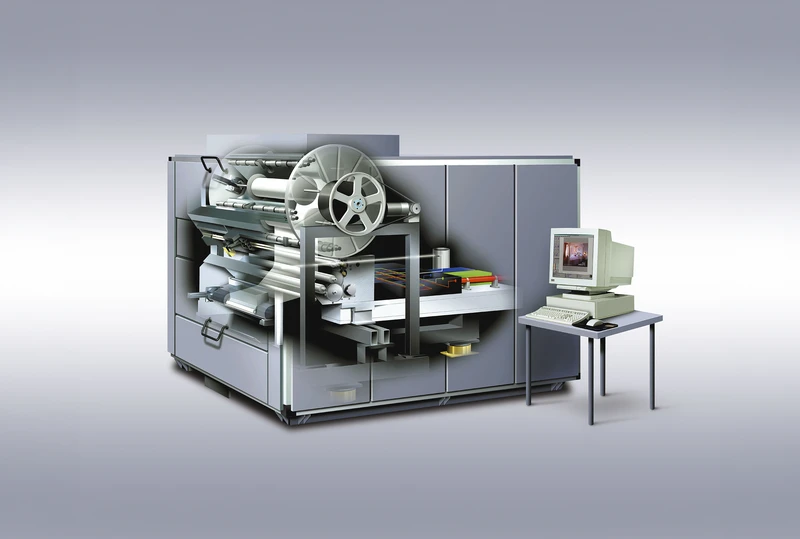
Lambda introduces laser exposure and digital files into photographic production, setting quality benchmarks worldwide.
This marks the real shift:
From devices → to systems
From optics → to data
Inkjet
as Manufacturing Architecture
From the early 2000s, Durst commits fully to inkjet. Not as a printing method, but as an industrial platform.
Key firsts redefine entire industries:
Gamma: the first industrial inkjet printer for ceramic tiles, bringing digital into ceramic production at scale
Industrial Production
TECHNOLOGY
Alpha and Rhotex: Durst’s first true industrial textile printers, establishing digital textile as a production technology, not a sampling tool
Early steps into technical and functional ceramics, using inkjet for high-viscosity and particle-rich materials
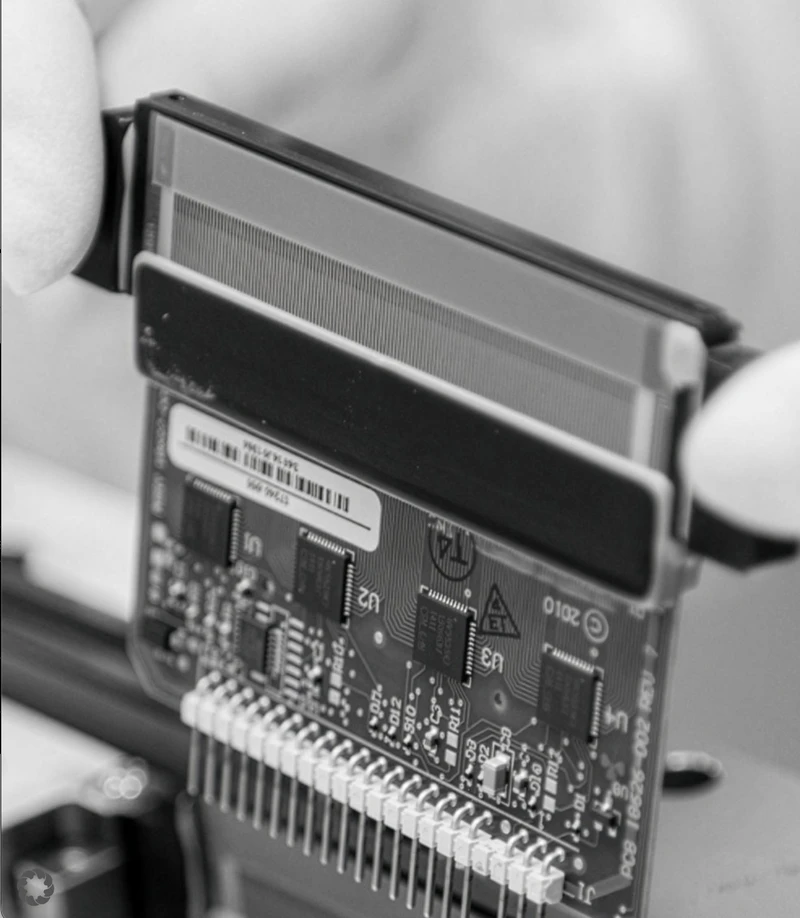
Fun fact: Long before “functional printing” was a buzzword, Durst developed in-house nozzles to jet materials others considered impossible.
Orchestration
Era
With Durst Group CEO & Co-Owner Christoph Gamper, Durst enters its next chapter and the focus shifts decisively:
From machines → to production systems
From hardware → to orchestration
Material expansion
Era
Durst expands across graphics, packaging, textiles, ceramics, and additive manufacturing, while building software, automation, and AI into the core.
From print → to intelligent manufacturing
Packaging
Becomes Strategic
Corrugated and folding carton mark the next inflection point.
Packaging is no longer about print quality alone, but throughput, uptime, integration, and workflow.
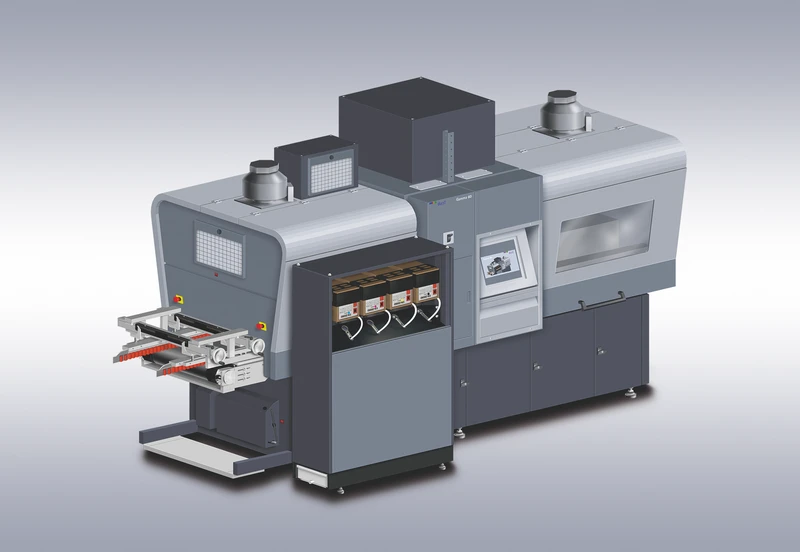
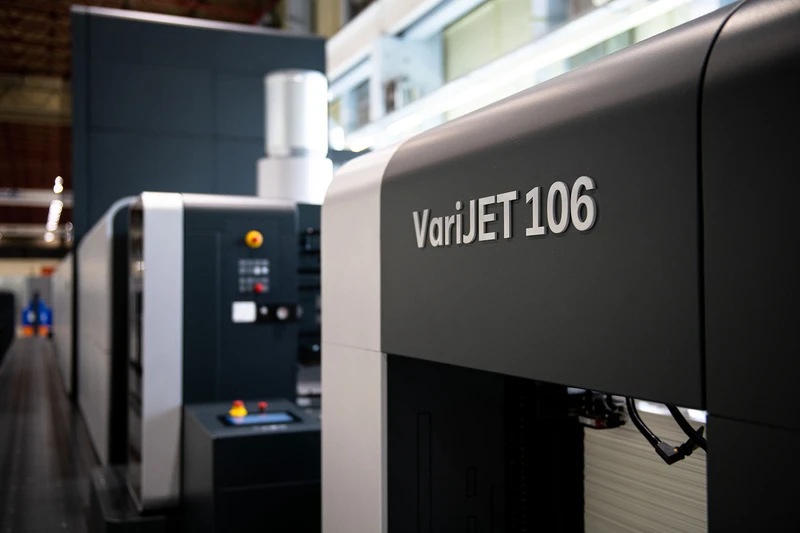
To accelerate industrial digital packaging, Durst partners with Koenig & Bauer, combining Durst inkjet and workflow competence with decades of press engineering heritage.
The message is clear: digital packaging is not experimental. It is industrial.
Factory
Optimization
Durst extends its inkjet DNA into technical ceramics and additive manufacturing, enabling high-performance components through precise material deposition and sintering.
Durst Como becomes a reference site for intelligent manufacturing, integrating production, automation, and digital workflow into a single operational model.
Durst no longer optimizes machines. Durst optimizes factories.
Industrial
Intelligence
For over 90 years, the pattern is consistent:
Durst absorbs complexity and turns it into repeatable industrial precision.
Our world is printed.
Made in Durst.
→ Inkjet was the enabler.
→ Software becomes the control layer.
→ Automation becomes the multiplier.
This is not a pivot. It is the inevitable conclusion.
KYVERIS is born. The AI-powered Intelligence for Digital Production.
A platform connecting data, software, automation, and production across industries.
OUR WORLD IS PRINTED
Now it is orchestrated.
Made in Durst.
For more on what’s next visit: www.kyveris.com